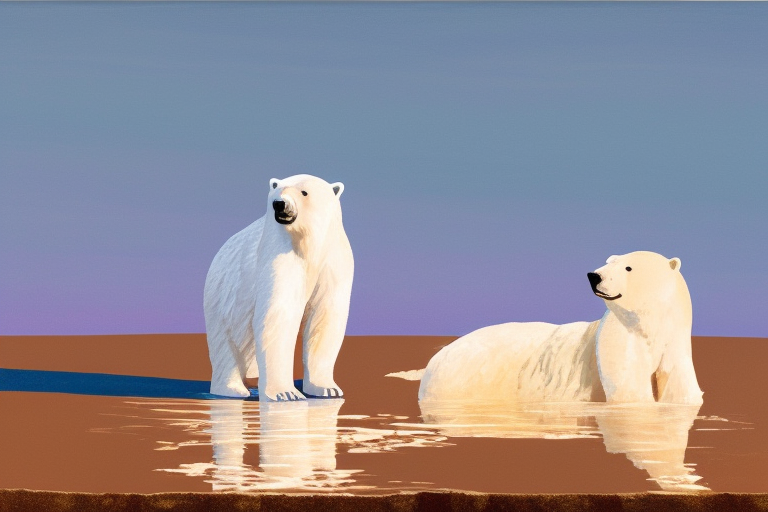
Climate change is a global issue that refers to long-term and sustained shifts in global weather patterns and temperatures. The most notable aspect of climate change is the increase in global temperatures, also known as global warming, which is caused primarily by the buildup of greenhouse gases in the Earth’s atmosphere.
Human activities such as burning fossil fuels, deforestation, and industrial processes have greatly increased the levels of carbon dioxide and other greenhouse gases in the atmosphere. These gases trap heat from the sun and prevent it from escaping back into space, leading to a warming of the Earth’s surface and oceans.
The consequences of climate change are far-reaching and can impact natural ecosystems and human societies in significant ways. Rising sea levels, more frequent and severe weather events, changes in precipitation patterns, and shifts in the distribution and abundance of plant and animal species are some of the most noticeable impacts. These effects can have severe economic, social, and environmental consequences, especially for vulnerable communities.
The international community recognizes the need for collective action to address this global challenge. The United Nations Framework Convention on Climate Change (UNFCCC) was established to develop and implement strategies to reduce greenhouse gas emissions and adapt to the impacts of climate change.
Mitigation and adaptation are the two main strategies that can be used to address climate change. Mitigation involves reducing greenhouse gas emissions to prevent further warming of the planet, while adaptation involves preparing for and adapting to the impacts of climate change that are already happening or are expected to happen in the future.
Mitigation strategies include the use of renewable energy sources, energy efficiency, carbon capture and storage, and reducing emissions from transportation and agriculture. Adaptation strategies include improving infrastructure to withstand extreme weather events, protecting natural ecosystems, and developing early warning systems for potential disasters.
In conclusion, climate change is a pressing issue that requires collective action from individuals, communities, and governments. While the consequences of climate change can be far-reaching and severe, there are strategies that can be implemented to mitigate and adapt to these impacts. The UNFCCC provides a framework for international cooperation to address this challenge, and it is up to each of us to take action and make a positive impact on the environment.